An internationally recognized organization in the field of construction
Our research is focused on the development of new materials and technologies that are internationally relevant and help to ensure the sustainable development of Slovenia. By participating in international projects in various fields of construction, we strengthen contacts and exchange knowledge with top research groups worldwide.
Our research is focused on the development of new materials and technologies that will help to ensure the sustainable development of Slovenia and are also internationally relevant. Participation in international projects allows us to contact and exchange knowledge with top research groups worldwide.
ZAG performs testing and measurement, prepares opinions and expertise and carry out an external quality control and investigation in the field and in the laboratory in the fields of: buildings, bridges, dams, roads, railways, ski lifts, power lines and other towers, natural and other disasters, tunnels and underground premises.
FEHRL Research Coordinators Meeting at ZAG
The FEHRL Research Coordinators shape the association's research agenda, exchange information on a wide range of research and technical topics within the association and ensure a joint response to international calls for research. In addition ...
1st International Summer School 2024 – In situ techniques in the conservation of built heritage
1st International Summer School 2024, In situ techniques in preservation of built heritage 2nd – 4th July 2024 Ljubljana, Slovenia Slovenian National Building and Civil Engineering Institute is organizing multidisciplinary summer school, covering multiple-scale non-invasive ...
For ZAG, circular construction is not just a phrase
ZAG hosted three ReBuilt events between 12 and 14 March 2024. On Tuesday, 12 March 2024, we hosted the consortium meeting of the 14 partners of the Interreg Central Europe ReBuilt project. On Wednesday 13 ...
ZAG is a public research institute and a leading institute in the field of construction in Slovenia. Scientific and research activity is a very important part of our operation in terms of content and strategy.
In 2023, we participated in more than 70 projects
Over the past 11 years, we have participated in more than 300 projects
In January 2024
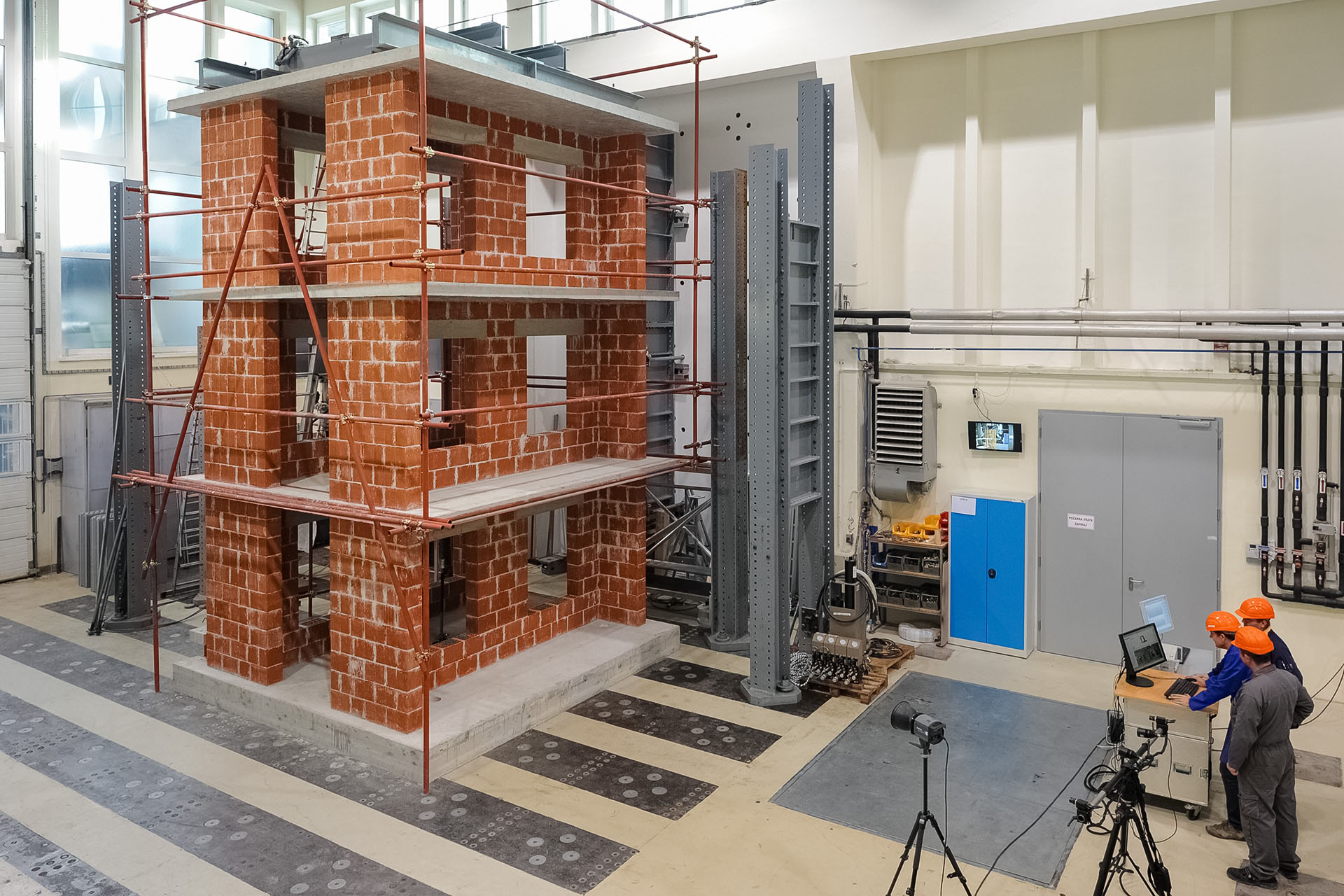
We act as a link between the domestic industry and international research and thus enable direct contact of our companies with the most advanced technologies in individual areas of construction.
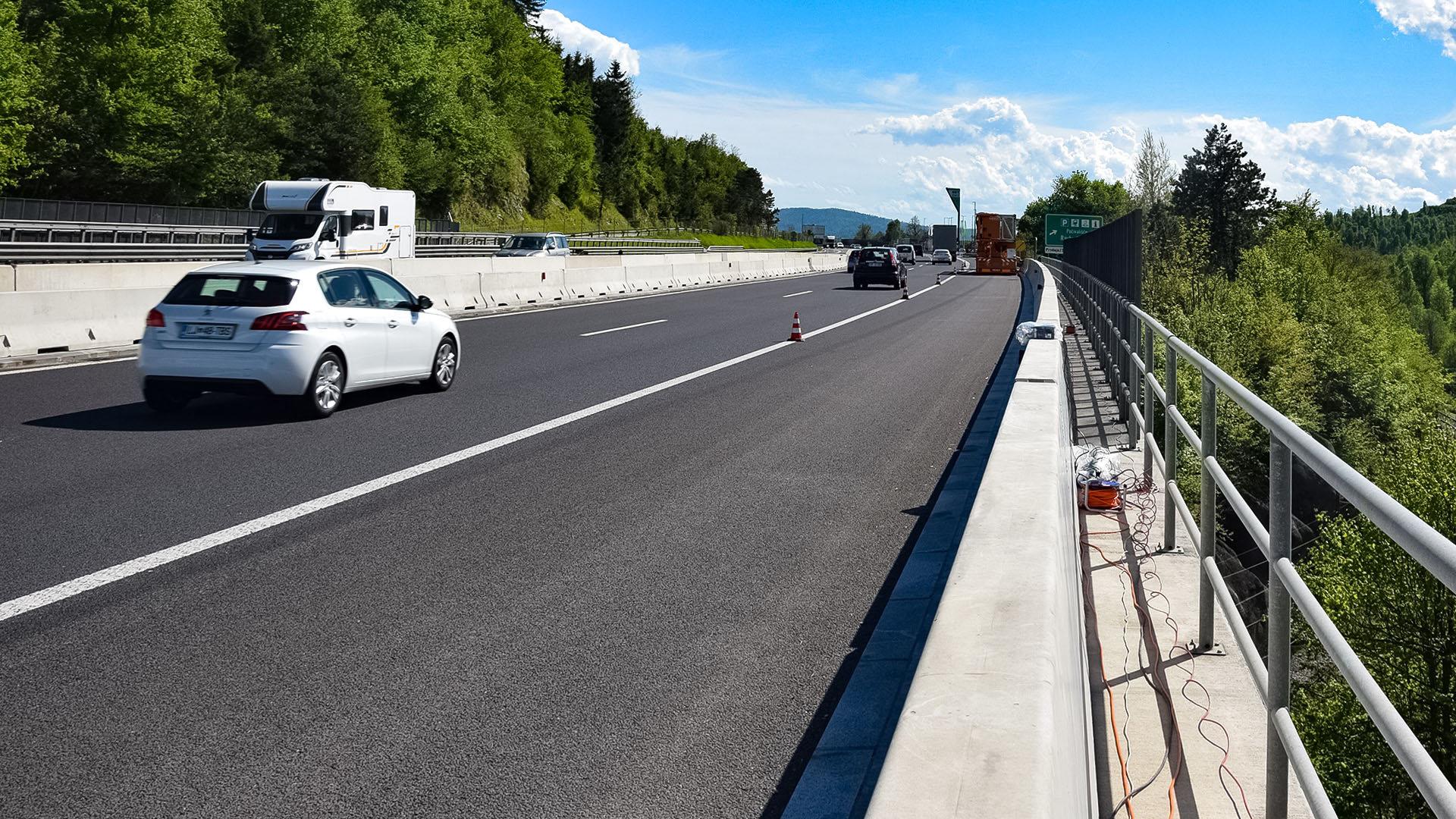
They create the conditions for the construction of buildings and infrastructure that enable a healthy living environment. It includes all vitally important environmental components: air, water, noise, heat, moisture, light, vibrations, ergonomics
Based on the work which it performs in different fields of building and civil engineering, ZAG is a well-recognized organization not only in Slovenia but also, to an increasingly higher level, in other countries, too. With our activities, we are among the most active members of ENBRI.
ZAG’s researchers confirm their scientific excellence with publications in recognized domestic and foreign journals.